# Achitecture Evaluation
#### *Architecture Evaluation using ATAM and QAW*
***
#### *ATAM (Architecture Tradeoff Analysis Method)*
***
***1. Definition of Quality Objectives:***
* *Usability*:
* *Objective*: Maximize efficiency and simplicity while minimizing the need for training.
* *Measurement*: Success rate in task execution without external intervention.
* *Security*:
* *Objective*: Ensure user data integrity and confidentiality.
* *Measurement*: Number of vulnerabilities discovered in periodic audits.
* *Performance*:
* *Objective*: Provide optimal response times even during peak loads.
* *Measurement*: Response time under normal and high-demand conditions.
***2. Identification of Scenarios*****:**
* *Usability*:
* *Scenario A*: A user attempts to create, edit, and delete a task on the platform.
* *Scenario B*: A team leader wants a detailed report of pending and completed tasks.
* *Security*:
* *Scenario A*: A user attempts to recover a forgotten password.
* *Scenario B*: A malicious actor tries to perform an SQL injection attack.
* *Performance*:
* *Scenario A*: During a load peak, 100 users attempt to access simultaneously.
* *Scenario B*: A user tries to load a list with more than 2,000 tasks.
***3. Initial Architecture Model*****:**
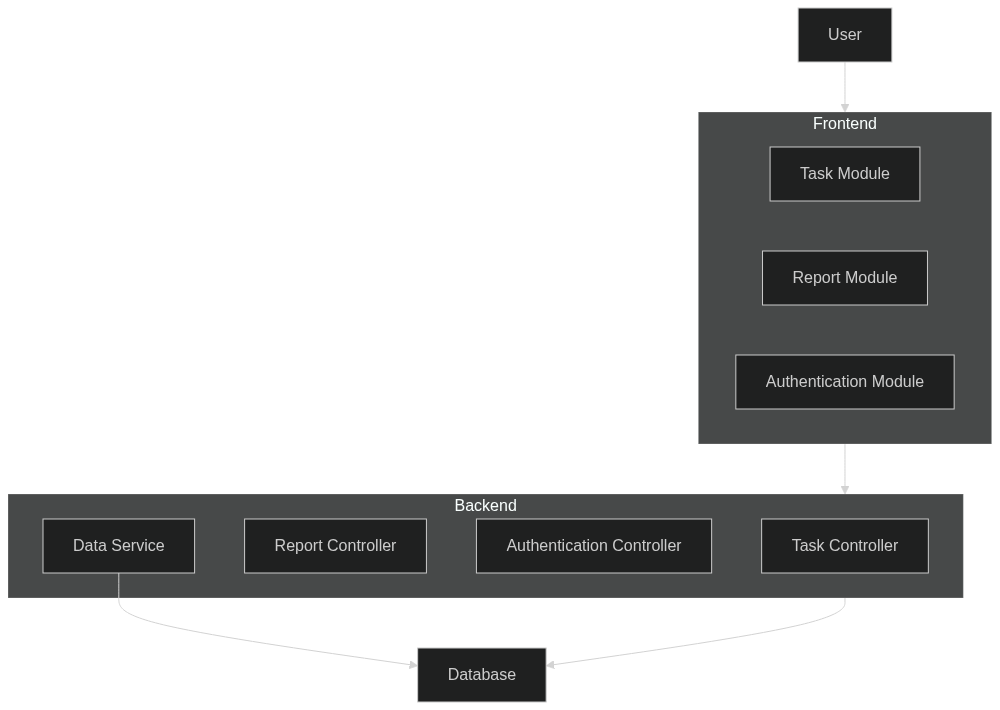
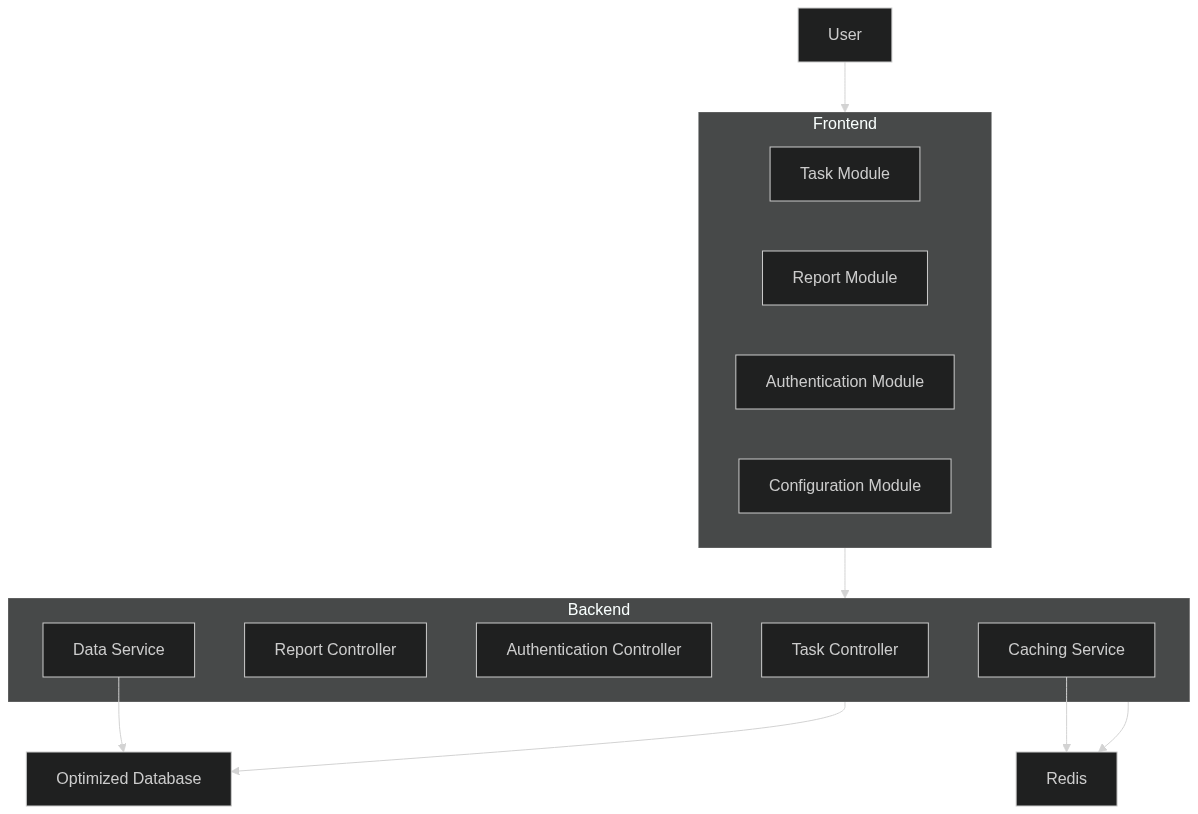
* *Frontend*: Angular application communicating with the backend through RESTful APIs.
* *Backend*: Spring Boot application with role-based access control and optimized relational database.
First iteration
Second Iteration
***4. Preliminary Analysis*****:**
* *Usability*: A well-organized monolithic structure can provide a smooth user experience. However, it requires an intuitive interface and excellent documentation.
* *Security*: Ensuring encryption, conducting security audits, and avoiding common vulnerabilities like SQL injection and XSS attacks are essential.
* *Performance*: Query optimization and caching techniques are essential to handle a large number of tasks and concurrent users.
***5. Identification of Trade-offs*****:**
* *Usability and Performance*: As features are added to improve usability, such as real-time searches, it can impact performance.
* *Security and Usability*: Stricter authentication can complicate the user experience.
***6. Iteration and Refinement*****:**
Considerations should include:
* *Caching*: Use of Redis or similar solutions for caching.
* *Optimization*: Minimization of static resources, lazy loading in Angular, and optimized queries in Spring Boot.
***
#### *QAW (Quality Attribute Workshop)*
***
***1. Identification of Quality Attributes*****:** Usability, Security, Performance.
***2. Definition of Quality Scenarios*****:** Already defined in the "Identification of Scenarios" step of ATAM.
***3. Prioritization of Quality Attributes*****:**
1. *Security*: Data loss or exposure can have legal and reputational implications.
2. *Usability*: An intuitive platform increases user adoption and retention.
3. *Performance*: Essential, but with a limited number of users, it may be an initial secondary concern.
***4. Definition of Metrics*****:**
* *Usability*: User retention rate, direct feedback, average time to complete common tasks.
* *Security*: Time to detect and respond to incidents, number of security incidents per quarter.
* *Performance*: Average latency, response time at the 95th and 99th percentiles.
***5. Development of Detailed Scenarios*****:**
* *Usability*:
* *Scenario A*: A user wants to configure notifications for pending tasks.
* *Scenario B*: A user wishes to integrate the platform with external tools, such as calendars.
* *Security*:
* *Scenario A*: An attempt to access from an unusual geographic location is detected.
* *Scenario B*: Unusual access patterns, such as multiple failed login attempts, are detected.
* *Performance*:
* *Scenario A*: Users experience latency when accessing the platform during peak hours.
* *Scenario B*: Unusually high server resource consumption is detected.